
 Kontakt
 Kako kupovati
Dostava
Savjetnik za kupnju
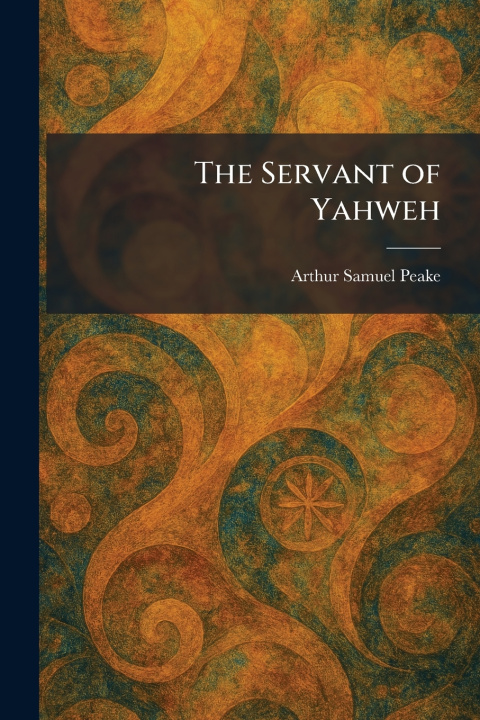
The Servant of Yahweh
 Engleski
 61 b
61 b
30 dana za povrat kupljenih proizvoda

"The Servant of Yahweh" is a rigorous and insightful examination of one of the most significant and debated figures in the Old Testament. Written by the esteemed biblical scholar Arthur Samuel Peake, this work focuses on the "Servant Songs" found within the Book of Isaiah, offering a deep dive into the identity, role, and theological implications of the mysterious figure known as the Servant of the Lord.
Peake meticulously evaluates the various interpretations of the Servant, navigating the complex arguments between individual and collective identifications-whether the Servant represents a specific historical person, the nation of Israel as a whole, or a prophetic messianic ideal. Through careful linguistic analysis and historical context, the author clarifies the mission, suffering, and ultimate exaltation of the Servant, providing readers with a comprehensive understanding of the text's original meaning and its broader impact on biblical theology.
This volume serves as an essential resource for students of divinity, biblical critics, and those interested in the history of religious thought. Peake's clear prose and scholarly precision ensure that "The Servant of Yahweh" remains a vital contribution to Old Testament studies and a foundational text for understanding the evolution of Hebrew prophecy.
This work has been selected by scholars as being culturally important, and is part of the knowledge base of civilization as we know it. This work was reproduced from the original artifact, and remains as true to the original work as possible. Therefore, you may see the original copyright references, library stamps (as most of these works have been housed in our most important libraries around the world), and other notations in the work.
This work is in the public domain in the United States of America, and possibly other nations. Within the United States, you may freely copy and distribute this work, as no entity (individual or corporate) has a copyright on the body of the work.
As a reproduction of a historical artifact, this work may contain missing or blurred pages, poor pictures, errant marks, etc. Scholars believe, and we concur, that this work is important enough to be preserved, reproduced, and made generally available to the public. We appreciate your support of the preservation process, and thank you for being an important part of keeping this knowledge alive and relevant.


Informacije o knjizi
Engleski
