
 Kontakt
 Kako kupovati

Dostava
Savjetnik za kupnju
 Engleski
 45 b
 Pripremamo
 Novo
 Izdanje 01. 01. 2027
Do 30 dana za povrat

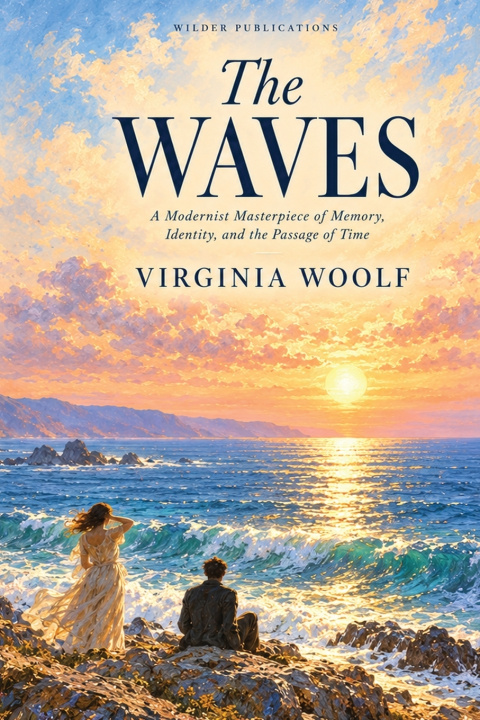
Six voices. One lifetime. An extraordinary exploration of consciousness, friendship, and the relentless movement of time. In The Waves, Virginia Woolf creates one of the most daring and beautiful experiments in twentieth-century fiction, transforming the ordinary experiences of human existence into a profound meditation on what it means to be alive. Through the interwoven voices of Bernard, Susan, Rhoda, Neville, Jinny, and Louis, Woolf follows six individuals from childhood through maturity and into the shadow of old age. Their lives unfold through a sequence of intensely personal reflections, revealing their desires, fears, memories, ambitions, and struggles to understand themselves. Though their personalities and circumstances differ, they remain connected by shared experiences and by their relationship with Percival, a seventh figure whose presence and absence profoundly shape their lives. Rather than relying on conventional dialogue or plot, Woolf allows consciousness itself to become the central drama, revealing the hidden emotional currents that bind individuals together even as time carries them along separate paths.
Structured around nine lyrical interludes describing the sun's passage across a coastal landscape, The Waves mirrors the movement of human life from the brightness of childhood to the gathering darkness of mortality. The rhythm of the sea becomes an overarching symbol for existence itself, suggesting the constant movement between individuality and connection, permanence and change, solitude and belonging. Bernard searches for meaning through language and storytelling; Susan embraces the physical rhythms of domestic and rural life; Rhoda struggles with isolation and the instability of personal identity; Neville pursues love and intellectual beauty; Jinny finds expression through the immediacy of sensation and social experience; and Louis confronts feelings of displacement while striving for achievement and recognition. Their alternating interior monologues create an intricate portrait of human consciousness, demonstrating how six distinct lives can form a larger, interconnected whole. Woolf's extraordinary command of language transforms fleeting sensations and ordinary moments into passages of poetic intensity, challenging readers to reconsider the boundaries between the individual self and the surrounding world.
First published in 1931, The Waves represents the culmination of Virginia Woolf's experiments with modernist narrative and remains among her most critically admired achievements. Drawing upon the psychological techniques she developed in Mrs Dalloway and To the Lighthouse, Woolf pushes beyond conventional storytelling to create a work that exists somewhere between the novel, dramatic monologue, and prose poetry. Its exploration of memory, artistic creation, friendship, loss, and the passage of time has made it essential reading for admirers of literary modernism and experimental fiction. Readers captivated by this remarkable novel are invited to discover more of Woolf's extraordinary literary world through Mrs Dalloway, To the Lighthouse, Orlando, Jacob's Room, and A Room of One's Own. Together, these works illuminate the imagination of a writer whose innovations transformed modern literature and whose insights into consciousness and human experience remain profoundly relevant.


Informacije o knjizi
Engleski

Poklonite ovu knjigu još danas
To je jednostavno
1 Dodajte knjigu u košaricu i odaberite isporuku kao poklon 2 Zauzvrat ćemo vam poslati kupon 3 Knjiga dolazi na adresu poklonoprimcaDobar dan! Ja sam Libroamiko, vaš književni savjetnik.
Kako vam mogu pomoći?