
 Kontakt
 Kako kupovati
Dostava
Savjetnik za kupnju
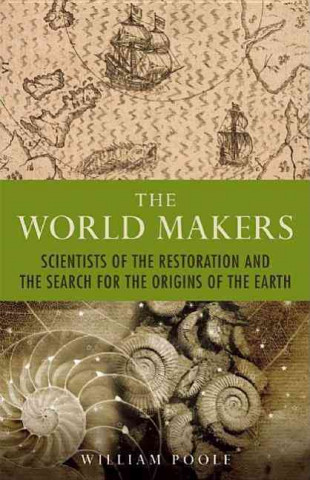
World Makers
Scientists of the Restoration and the Search for the Origins of the Earth
 Engleski
 67 b
67 b
Do 30 dana za povrat
Kupci su kupili i


 /
/
 Meki uvez
 38.58
€
38.58
€

 /
Meki uvez
18.58
€
/
Meki uvez
18.58
€










When educated men in the seventeenth century thought about the Earth on which they stood, they might ask themselves the following questions. When was the world created? Why? How? Out of what? Where did people come from? Do we all share the same origin? How were other living things generated? Can species vary at all? What are fossils? The common answers to these questions were rooted in the Bible. The world was made around the year 4000 BC by the direct command of God; people all come from Adam and Eve; species do not vary and fossils are inorganic in origin. Most people assumed that the teachings of theology and of natural philosophy (what we would later term «science») were both continuous and harmonious. But there were radical new answers to these questions of origin too. This is the story of how the emerging discipline of experimental philosophy reacted to the opening chapters of the book of Genesis to interpret the physical origin, present status, and final destination of the Earth. The Royal Society of London, created in 1660 «for the improving of natural knowledge», was where these bold new answers to old questions were formulated, discussed, contested, and modified, by men such as Isaac Newton, Robert Hooke, Edmond Halley, and Thomas Burnet.


Informacije o knjizi
Engleski

Poklonite ovu knjigu još danas
To je jednostavno
1 Dodajte knjigu u košaricu i odaberite isporuku kao poklon 2 Zauzvrat ćemo vam poslati kupon 3 Knjiga dolazi na adresu poklonoprimcaMoglo bi vas zanimati i




 /
Meki uvez
18.78
€
/
Meki uvez
18.78
€











Dobar dan! Ja sam Libroamiko, vaš književni savjetnik.
Kako vam mogu pomoći?