
 Kontakt
 Kako kupovati
Dostava
Savjetnik za kupnju
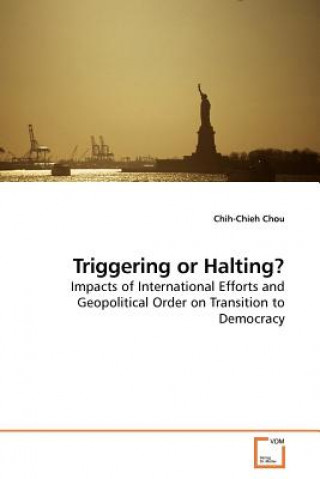
Triggering or Halting?
Impacts of International Efforts and Geopolitical Order on Transition to Democracy
 Engleski
 158 b
158 b
30 dana za povrat kupljenih proizvoda
Kupci su kupili i






 /
/
 Meki uvez
 10.83
€
10.83
€


 /
Meki uvez
15.59
€
/
Meki uvez
15.59
€






This study examines the international effects on democratization through a cross-regional comparison between Taiwan and Hungary. The findings firstly show that Both transitions were initiated by the unfavorable geopolitical climate (erosion of U.S. diplomatic support) or the lifting of outside pressure (the Gorbachev factor). In the consolidation period, while Hungarian democracy still relied on a stable near-abroad order and adaptation to the conditionality set by the EU and NATO, Taiwan s political development and future were heavily determined by the US security support and the interactions between Washington and Beijing. Second, international efforts could be regarded as an explanatory variable for emergence or survival of a democracy rather than a contextual variable situated at the macro-level of a given system argued in previous studies. Third, as ignoring by current literature, the distinction between favorable/unfavorable external factors strengthens the explanatory power of the influence of external actors on democratization, especially in accounting for impact of external threats and timing of political liberalizations.


Informacije o knjizi
Engleski
Kategorija

Poklonite ovu knjigu još danas
To je jednostavno
1 Dodajte knjigu u košaricu i odaberite isporuku kao poklon 2 Zauzvrat ćemo vam poslati kupon 3 Knjiga dolazi na adresu poklonoprimcaMoglo bi vas zanimati i









 /
Meki uvez
21.16
€
/
Meki uvez
21.16
€













 /
Meki uvez
30.58
€
/
Meki uvez
30.58
€
Dobar dan! Ja sam Libroamiko, vaš književni savjetnik.
Kako vam mogu pomoći?