Kontakt
 Kako kupovati
Dostava
Savjetnik za kupnju
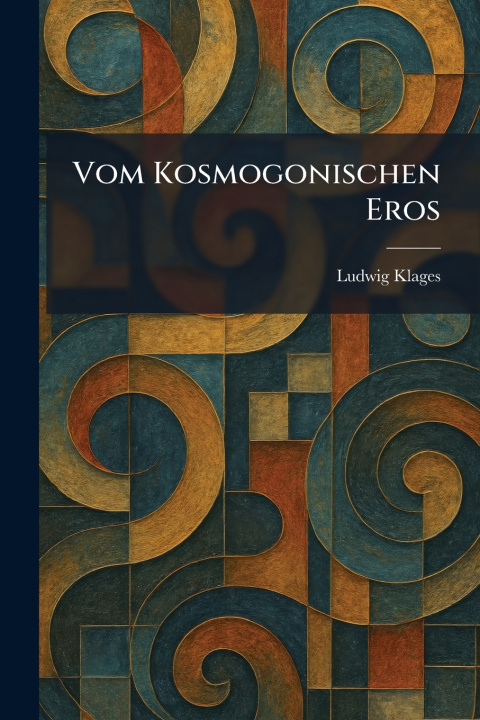
Vom Kosmogonischen Eros
 Njemački
 56 b
56 b
Do 30 dana za povrat
Kupci su kupili i















"Vom Kosmogonischen Eros" ist ein wegweisendes Werk der Lebensphilosophie, in dem Ludwig Klages seine tiefgreifende Untersuchung über das Wesen der menschlichen Seele und ihre Verbindung zum Kosmos darlegt. Klages entwirft hier die Vision einer biozentrischen Weltanschauung, die den "kosmogonischen Eros" als die schöpferische Urkraft des Lebens ins Zentrum stellt. Dieser Eros wird als eine bindende Macht verstanden, die jenseits des rein rationalen Geistes agiert und den Menschen in Einklang mit den Rhythmen der Natur bringt.
Das Buch analysiert die Zerrissenheit des modernen Individuums und die zunehmende Entfremdung von den lebendigen Grundlagen des Daseins. Durch eine scharfsinnige Verbindung von Psychologie, Mythologie und Metaphysik fordert Klages eine Rückkehr zur Unmittelbarkeit des Erlebens und eine Ãberwindung der lebensfeindlichen Tendenzen des Intellekts. "Vom Kosmogonischen Eros" ist nicht nur ein philosophischer Traktat, sondern eine leidenschaftliche Beschwörung der Lebensmächte, die bis heute einen bedeutenden Einfluss auf die Kulturphilosophie und die Tiefenpsychologie ausübt. Es bleibt ein unverzichtbarer Klassiker für Leser, die sich für die philosophische Auseinandersetzung mit Natur, Seele und dem schöpferischen Prinzip interessieren.
This work has been selected by scholars as being culturally important, and is part of the knowledge base of civilization as we know it. This work was reproduced from the original artifact, and remains as true to the original work as possible. Therefore, you may see the original copyright references, library stamps (as most of these works have been housed in our most important libraries around the world), and other notations in the work.
This work is in the public domain in the United States of America, and possibly other nations. Within the United States, you may freely copy and distribute this work, as no entity (individual or corporate) has a copyright on the body of the work.
As a reproduction of a historical artifact, this work may contain missing or blurred pages, poor pictures, errant marks, etc. Scholars believe, and we concur, that this work is important enough to be preserved, reproduced, and made generally available to the public. We appreciate your support of the preservation process, and thank you for being an important part of keeping this knowledge alive and relevant.


Informacije o knjizi
Njemački
Kategorija